How Casino Resorts Turned Gaming Into Part of a Larger Stay
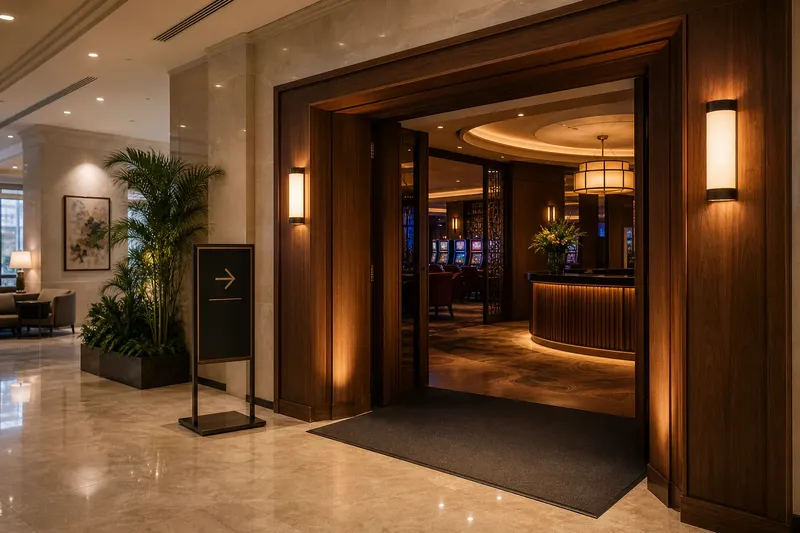
Casino resort history shows how some gaming venues grew into broader destinations, combining play with lodging, dining, and entertainment for varied visits.
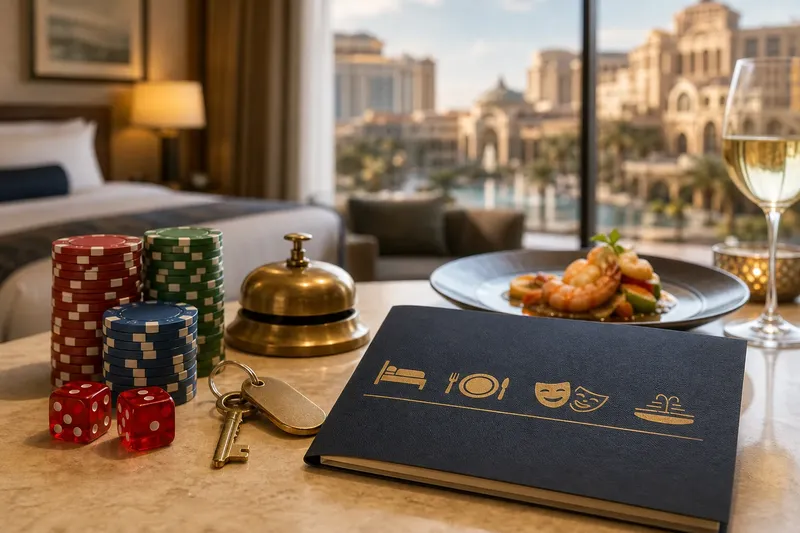
How did a casino become part of a larger holiday rather than the whole reason for a visit? Casino resort history is a gradual story of venues adding hospitality and leisure to gaming, then presenting those elements as parts of one stay.
The resort model did not arrive in a single documented leap. It developed unevenly as operators in different places expanded, adapted, or promoted services beyond the gaming floor. Those additions changed how visitors could use a property, even as gaming remained central at many of them.
Casinos drew on older hospitality traditions
Gaming venues did not need to invent lodging, dining, or entertainment to combine them with play. Hotels already served travelers, restaurants and lounges gave visitors places to gather, and theaters and other performance spaces offered evening diversions. In some settings, casino operators worked within these established hospitality patterns; elsewhere, gaming was one feature of a larger leisure district.
What changed over time was often the scale and coordination of the offer. A casino connected to a hotel could make an overnight visit easier, while dining and performances gave guests reasons to spend time on the property beyond a gaming session. The exact mix depended on place, ownership, local rules, and the venue’s intended visitors.
Resort identity grew through added services
Some properties gradually built a broader identity around gaming by adding accommodation, restaurants, lounges, entertainment, or recreation. Others promoted a group of existing facilities together as a destination. These developments could happen in stages rather than through one decisive redesign.
The distinction is one of emphasis. A gaming-focused casino centers its public offer on play; a casino resort presents gaming alongside a wider stay or visit. The label does not promise a standard set of amenities, and it cannot substitute for a property’s own history.
A broader visit could include guests who did not gamble
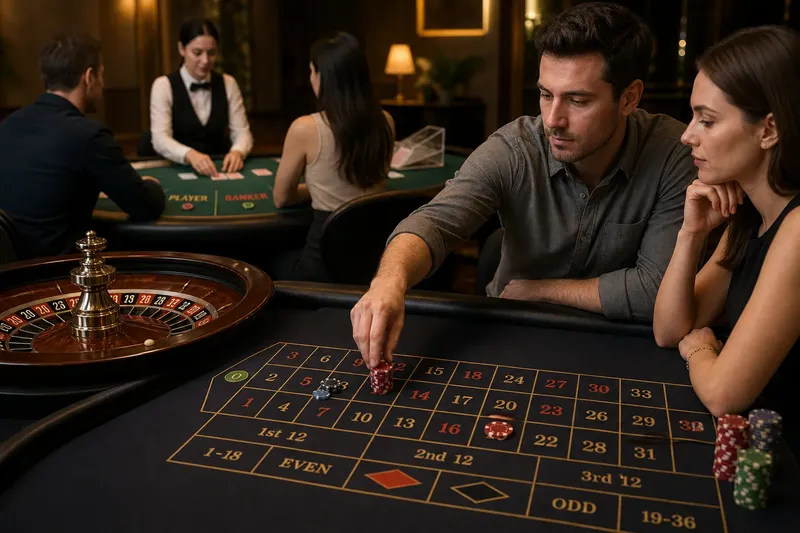
Combining services changed the reasons people could visit. One person might spend time at the tables, while a companion chose a meal, a show, or a lounge. A guest could also stay at a hotel and treat gaming as optional rather than as the main purpose of the trip.
This wider appeal helps explain why the resort model took shape, but it should not be mistaken for a single motive shared by every operator. A particular venue might have expanded to serve travelers, compete for longer stays, or make use of its location. A reliable account of those motives needs evidence tied to that property.
Resorts added a model rather than replacing casinos
The growth of casino resorts did not erase venues focused more narrowly on gaming. Both forms can exist in the same period or market, serving different visitors and making different use of their space.
Nor does every casino’s history follow a sequence from gaming room to hotel complex. Some venues were associated with hospitality from an early stage; others kept a modest offer beyond gaming. The history is better understood as varied development than as a universal progression.
Which details clarify casino resort history?
What does “casino resort” mean?
It generally describes a property that combines casino gaming with a wider hospitality or leisure offer. The phrase does not specify a fixed set of services, so properties can differ substantially.
Did casino resorts begin in one particular place?
The term itself does not point to a single origin. A precise account needs a defined location and period, supported by historical records rather than a broad label.
Why did some venues add lodging and entertainment?
Those services could make a visit more varied and give guests reasons to stay or return beyond gaming. The particular aims and timing differ by property, so they should be established from local evidence.
Did resorts replace gaming-focused casinos?
No general replacement follows from the growth of the resort model. Venues with different balances of gaming and hospitality can coexist, and the story of one property cannot stand in for all others.
Property records show how the model developed
A history of a particular casino resort is strongest when it follows dated evidence: opening records, archived brochures, contemporaneous newspaper coverage, planning documents, or later corporate histories. Compare accounts, note when a feature appears, and separate documented facts from promotional descriptions of a property’s importance.
Say a writer is tracing the fictional Pine Court hotel casino. An archived brochure describes its original guest rooms and gaming floor; a dated local newspaper later reports the opening of a performance hall. The writer can describe those features in that sequence, while leaving the reason for the addition unresolved unless another reliable source addresses it.
It is not worth inferring a property’s full development from its current website or an undated photograph. Either may show what exists now, but neither alone establishes when a feature appeared or what earlier visitors experienced.
Casino resort history remains specific to each place
Casino resort history becomes clearer when viewed as a collection of local developments: some venues built hospitality around gaming, while others maintained a more focused role. The resort model expanded the possible shape of a visit without producing one shared timeline.
When describing a property, start with the dated evidence for its own additions and changes. That approach shows how gaming and hospitality came together there, without forcing a varied history into a single origin story.